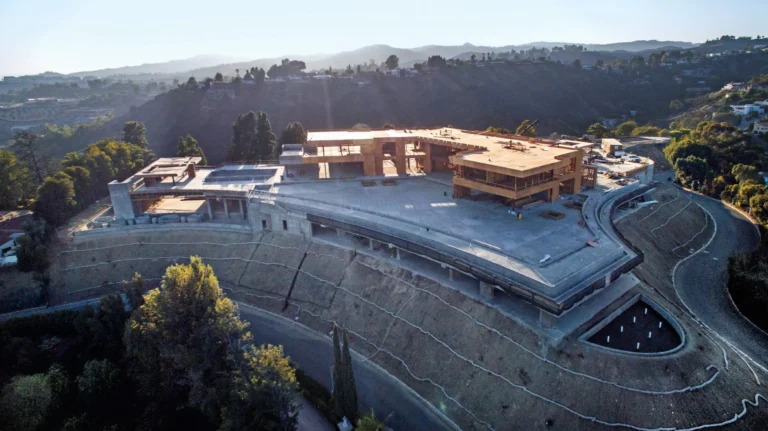
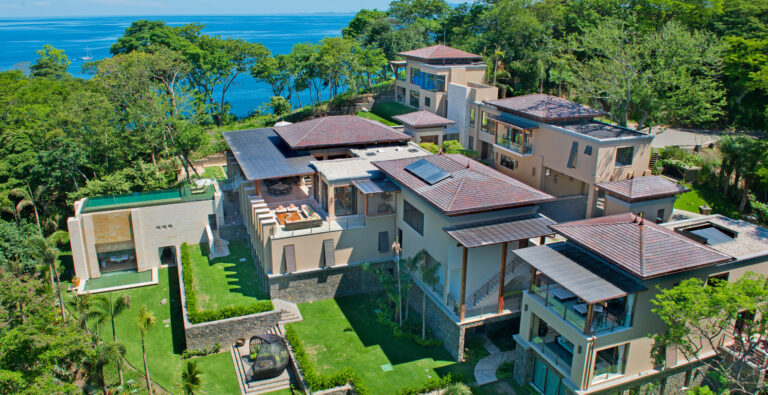
Park Mansions The Complete Guide to Heritage and Modern Luxury Estates
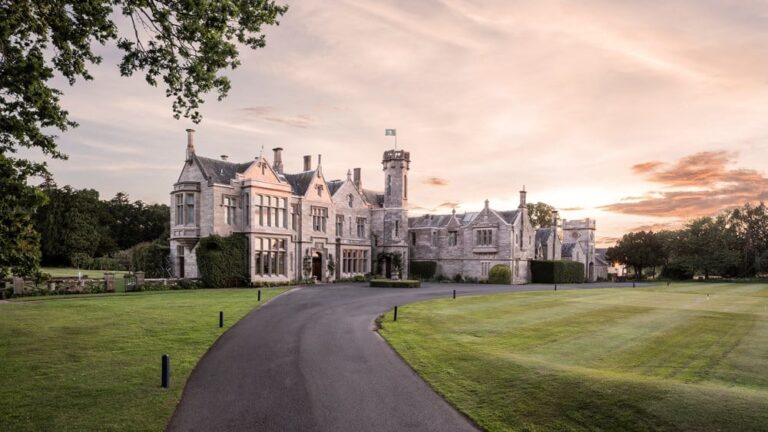
Park mansions are grand residences often located in prime areas near or within expansive parklands. They represent both historical significance and modern luxury, blending heritage architecture with exclusive amenities. Historically, many park mansions were built as aristocratic estates surrounded by manicured gardens and designed to showcase wealth and status.
Today, park mansions serve multiple roles. Some remain heritage landmarks open to public tours, while others are transformed into luxury hotels, exclusive residences, or cultural venues. Their appeal lies in their ability to combine serene green spaces with architectural elegance, making them enduring symbols of prestige.
Key Features That Define Park Mansions
Park mansions are distinguished by certain defining elements:
-
Expansive grounds or adjacency to major parks.
-
Architectural grandeur, often influenced by classical, Italianate, or Gothic styles.
-
Large interiors with ballrooms, libraries, and art galleries.
-
Heritage detailing, such as ornate ceilings, carved woodwork, and marble finishes.
-
Integration of gardens, fountains, and landscape design as part of the estate’s identity.
These features make park mansions unique in the world of luxury living, as they blend architecture, landscape, and cultural symbolism.
Architectural and Cultural Significance of Park Mansions
Architecture plays a central role in the identity of park mansions. Built during different eras, they reflect the cultural and artistic values of their time. Victorian-era mansions often feature decorative facades, while Georgian mansions highlight symmetry and proportion.
Culturally, park mansions are more than homes. They are repositories of historically significant venues where political events, social gatherings, and artistic milestones have occurred. Many now function as cultural destinations, allowing visitors to experience grandeur while connecting with heritage.
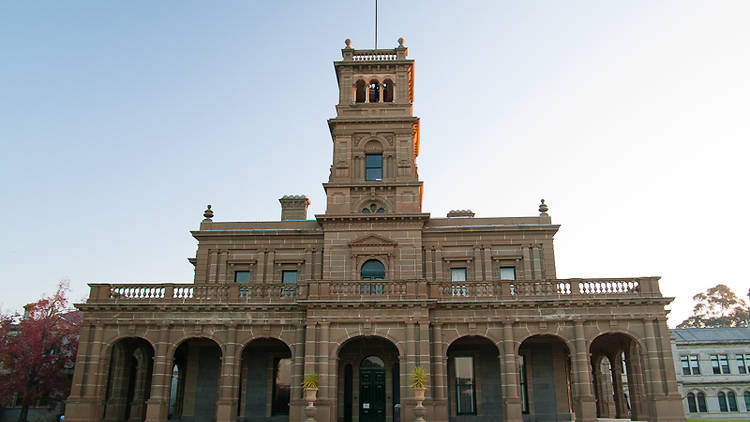
Heritage and Elegance in Australia
The Werribee Park Mansion is one of Australia’s most iconic park mansions. Built in the 1870s by the wealthy Chirnside family, it reflects the Italianate architectural style with grand staircases, decorative ceilings, and sprawling gardens.
Today, Werribee Park Mansion is open to the public and features a museum, luxury accommodations, and a renowned spa. Its estate grounds include a rose garden and cultural events, making it both a heritage landmark and a modern lifestyle destination.
Why It Matters
Werribee Park Mansion shows how historic estates can be adapted for contemporary use. It illustrates the blending of heritage preservation with hospitality and leisure, keeping cultural icons relevant in modern times.
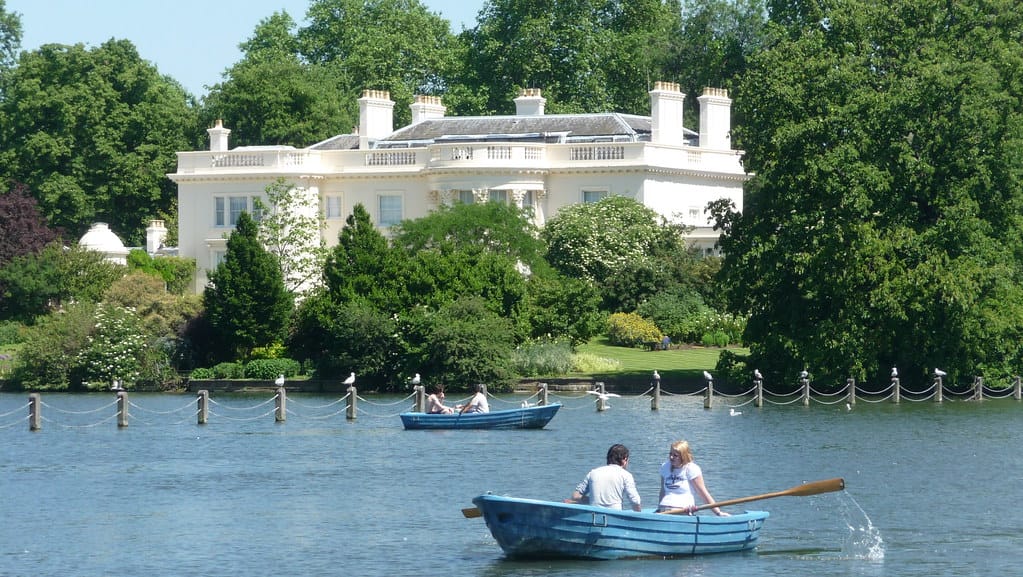
London’s Historic Park Estate
In London, Regent’s Park Mansion Houses represent some of the city’s most prestigious residences. Surrounded by landscaped gardens and adjacent to one of London’s royal parks, these mansions are symbols of architectural refinement and exclusivity.
With white stucco facades and neoclassical influences, these properties have hosted aristocrats, politicians, and celebrities. They remain among the most coveted addresses in London.
Why It Matters
This example emphasizes how location within or near a park elevates the status of mansions. Regent’s Park mansions highlight the timeless relationship between green spaces and urban luxury.
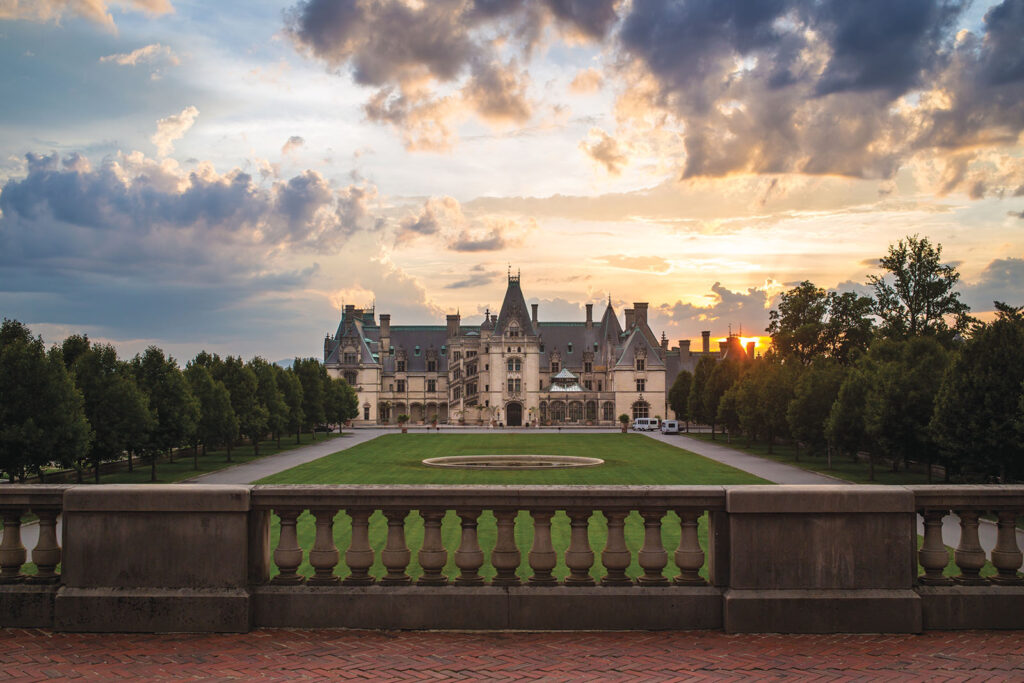
America’s Largest Park Mansion
The Biltmore Estate in Asheville, North Carolina, is the largest privately owned house in the United States. Built by George Vanderbilt in the late 19th century, it spans over 175,000 square feet and sits within expansive parklands designed by landscape architect Frederick Law Olmsted.
Today, it is open to the public as a historic house museum, complete with gardens, a winery, and luxury accommodations. Its design blends French Renaissance style with American craftsmanship.
Why It Matters
Biltmore illustrates the scale and ambition of American park mansions. It serves as a cultural landmark, demonstrating how estates can be preserved and adapted into tourism and hospitality destinations.
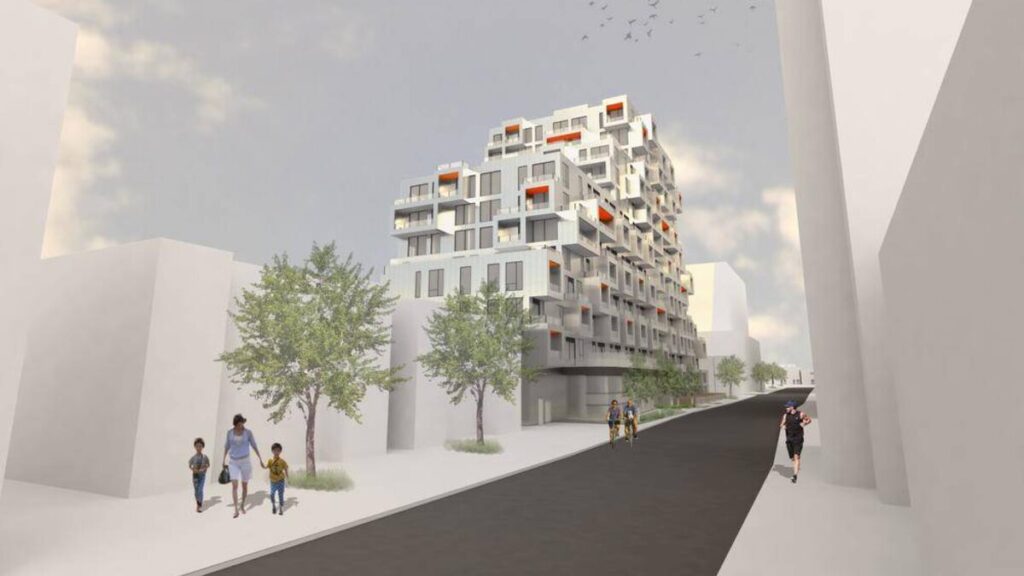
Modern Luxury in a Park Setting
In Toronto, Park Mansion Condominiums represent a modern interpretation of park mansions. Situated near Mississauga’s green spaces, this residential tower combines luxury living with park-side tranquility.
Offering high-end apartments, private facilities, and landscaped surroundings, Park Mansion Condominiums show how the concept of “park mansions” evolves into urban contexts without losing the essence of exclusivity.
Why It Matters
This example highlights how the legacy of park mansions continues in modern real estate. Developers adapt the concept to contemporary urban needs, balancing heritage inspiration with modern architecture.
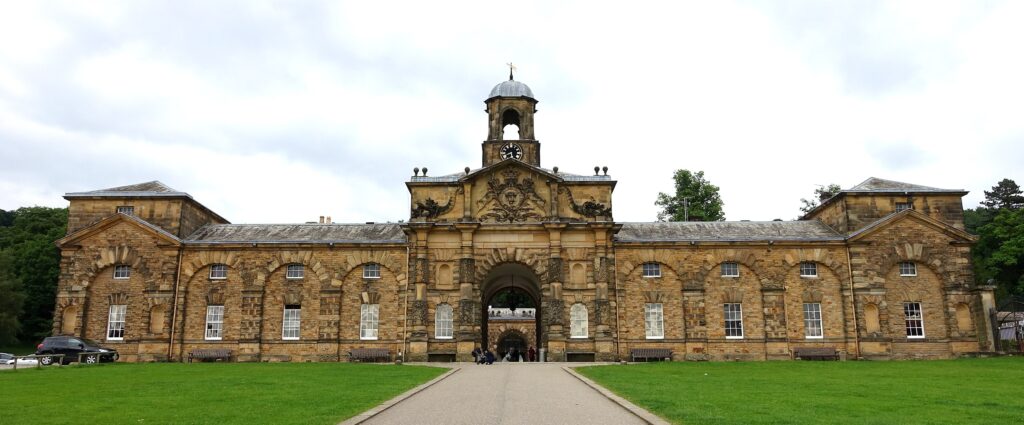
A Historic Park Mansion Estate
Chatsworth House is one of England’s most famous park mansions, belonging to the Cavendish family since the 16th century. Surrounded by 35,000 acres of parkland, it showcases Baroque and Neoclassical styles with art collections, libraries, and gardens.
Chatsworth functions as both a heritage attraction and a cultural venue, hosting exhibitions, events, and public tours. Its grandeur continues to inspire architects and historians alike.
Why It Matters
Chatsworth exemplifies how park mansions serve as cultural institutions. Its preservation ensures that heritage estates remain central to national identity and global tourism.
Benefits of Park Mansions
Heritage Preservation and Cultural Value
Park mansions protect and showcase architectural and cultural heritage. They allow visitors and residents to connect with the artistry of past centuries while ensuring historical continuity.
Lifestyle and Luxury Appeal
For modern adaptations, park mansions provide exclusive living experiences. They combine serene park settings with luxury amenities, offering tranquility without sacrificing proximity to urban hubs.
Community and Tourism Development
Park mansions often serve as attractions that boost local tourism and community engagement. Their events, tours, and cultural programs contribute to regional economies.
How Technology Enhances Park Mansions
Smart Preservation Systems
Advanced technology is used to monitor and preserve heritage structures, ensuring climate control, structural integrity, and energy efficiency without compromising historical authenticity.
Virtual Tours and Digital Engagement
Technology allows global audiences to experience park mansions through virtual tours, high-resolution photography, and immersive digital storytelling.
Sustainable Luxury Integration
Modern park mansions incorporate green technologies such as solar panels, smart lighting, and eco-friendly infrastructure, aligning heritage with sustainability.
Practical Use Cases for Park Mansions
Cultural Venues and Tourism
Park mansions often serve as museums, art galleries, or cultural venues, showcasing heritage while attracting global visitors.
Exclusive Residences
Modern park mansions or redeveloped estates are adapted into luxury residences, providing unmatched privacy and exclusivity near green spaces.
Event Destinations
Park mansions are frequently used as venues for weddings, conferences, and festivals, capitalizing on their grand architecture and scenic surroundings.
The Symbolism of Park Mansions
Park mansions symbolize wealth, heritage, and prestige. Historically, they reflected aristocratic success and cultural values. Today, they symbolize continuity, exclusivity, and refined taste, whether preserved as heritage sites or reimagined as modern luxury residences.
Their combination of architecture and parkland ensures they remain timeless icons of luxury and culture worldwide.
Frequently Asked Questions
Q1: What makes it different from other luxury estates?
They are uniquely located within or near expansive parklands, combining architectural grandeur with natural surroundings, unlike typical urban mansions.
Q2: Are they still used as private residences today?
Yes. While many function as museums or cultural landmarks, some park mansions remain private estates or have been redeveloped into luxury residences and condominiums.
Q3: How does technology support preservation?
Technology provides tools like climate monitoring, virtual tours, and eco-friendly upgrades to ensure park mansions remain relevant, accessible, and sustainable.