New Waterfront Communities Lifestyle, Benefits, and Real-World Insights
New waterfront communities are carefully planned residential neighborhoods built along coastlines, lakes, and rivers. Unlike standalone waterfront homes, these communities focus on collective development, blending modern housing with shared amenities, community hubs, and lifestyle experiences connected to water.
These communities aren’t just about property; they represent an evolving lifestyle trend. Families, retirees, and young professionals are increasingly drawn to areas where the beauty of nature meets the convenience of modern infrastructure. The rise of these communities also reflects global demand for spaces that promote wellness, sustainability, and luxury living in one package.
What Defines a Waterfront Community
Community Planning and Design
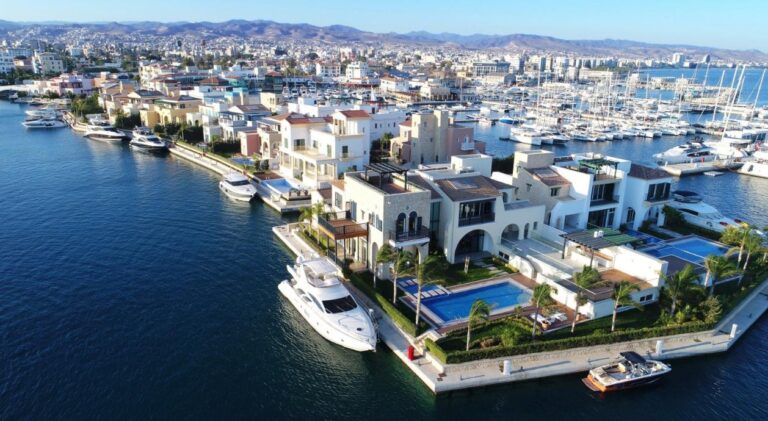
A defining aspect of new waterfront communities is their meticulous master planning. Developers integrate residential spaces with recreational areas, boardwalks, and water access facilities. Homes are built to capture scenic views, while community layouts encourage social interaction and outdoor activity.
These designs often include green spaces, marinas, and pedestrian-friendly environments. This ensures that residents not only enjoy private views but also have access to shared lifestyle enhancements, from fitness trails to communal waterfront parks.
Environmental Considerations
Waterfront developments must respect natural ecosystems. Construction involves measures to prevent shoreline erosion, protect wetlands, and reduce flood risk. Homes are built with weather-resistant materials, elevated foundations, and sustainable technologies such as solar energy and stormwater management.
This balance between community growth and environmental responsibility makes new waterfront developments more resilient in the face of climate change.
Benefits of Living in New Waterfront Communities
Health and Wellness Advantages
Living close to water has proven benefits for mental and physical health. The calming effect of water views reduces stress and promotes relaxation. Residents often adopt healthier lifestyles because communities are designed with walking trails, biking paths, and water activities like kayaking or paddleboarding.
The air quality near lakes and oceans is also typically better than in urban centers, offering a natural advantage for long-term wellness. These benefits make waterfront communities particularly attractive for those seeking a holistic lifestyle.
Property Value and Investment Potential
Properties in waterfront communities often appreciate more quickly than those in standard developments. Because land along coastlines and lakes is finite, the scarcity drives long-term demand. Investors see these communities as stable, value-adding assets, particularly when combined with modern construction and shared amenities.
Unlike isolated waterfront houses, communities offer collective infrastructure like security systems, marinas, and recreation centers adding further appeal for both homeowners and investors.
Real-World Examples of New Waterfront Communities
Example 1: Seaside Residential Community in Naples, Florida
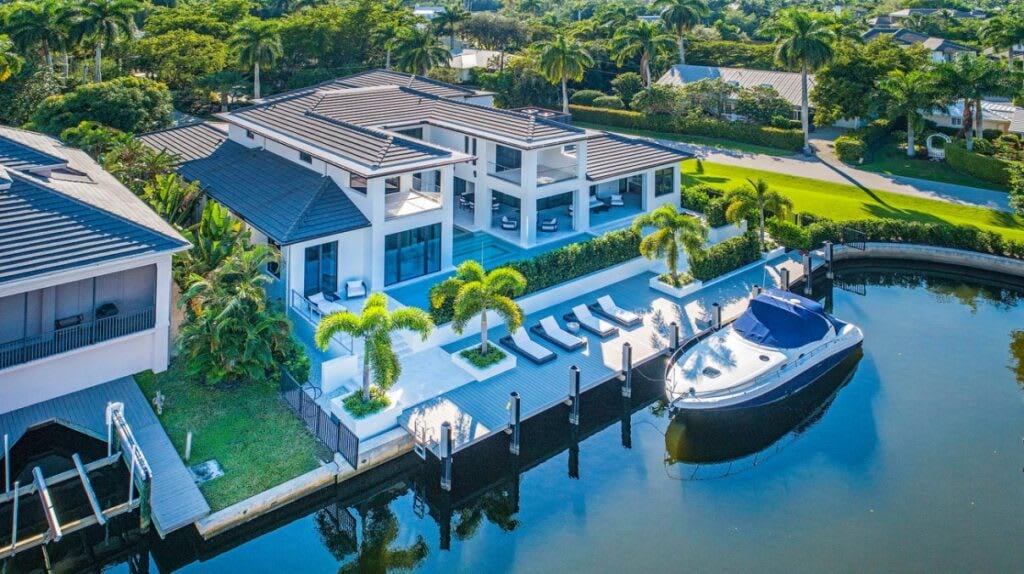
In Naples, Florida, developers have created a waterfront community designed with luxury villas, golf courses, and direct access to the Gulf of Mexico. This project integrates eco-conscious design with high-end amenities. Residents enjoy private docks, a marina, and miles of walking paths lined with tropical landscaping.
What sets this community apart is its integration of both leisure and sustainability. Homes are built with storm-resistant features, while green spaces emphasize native plants that require minimal irrigation. This demonstrates how coastal luxury can coexist with environmental awareness.
Example 2: Lake Nona Community in Orlando, Florida
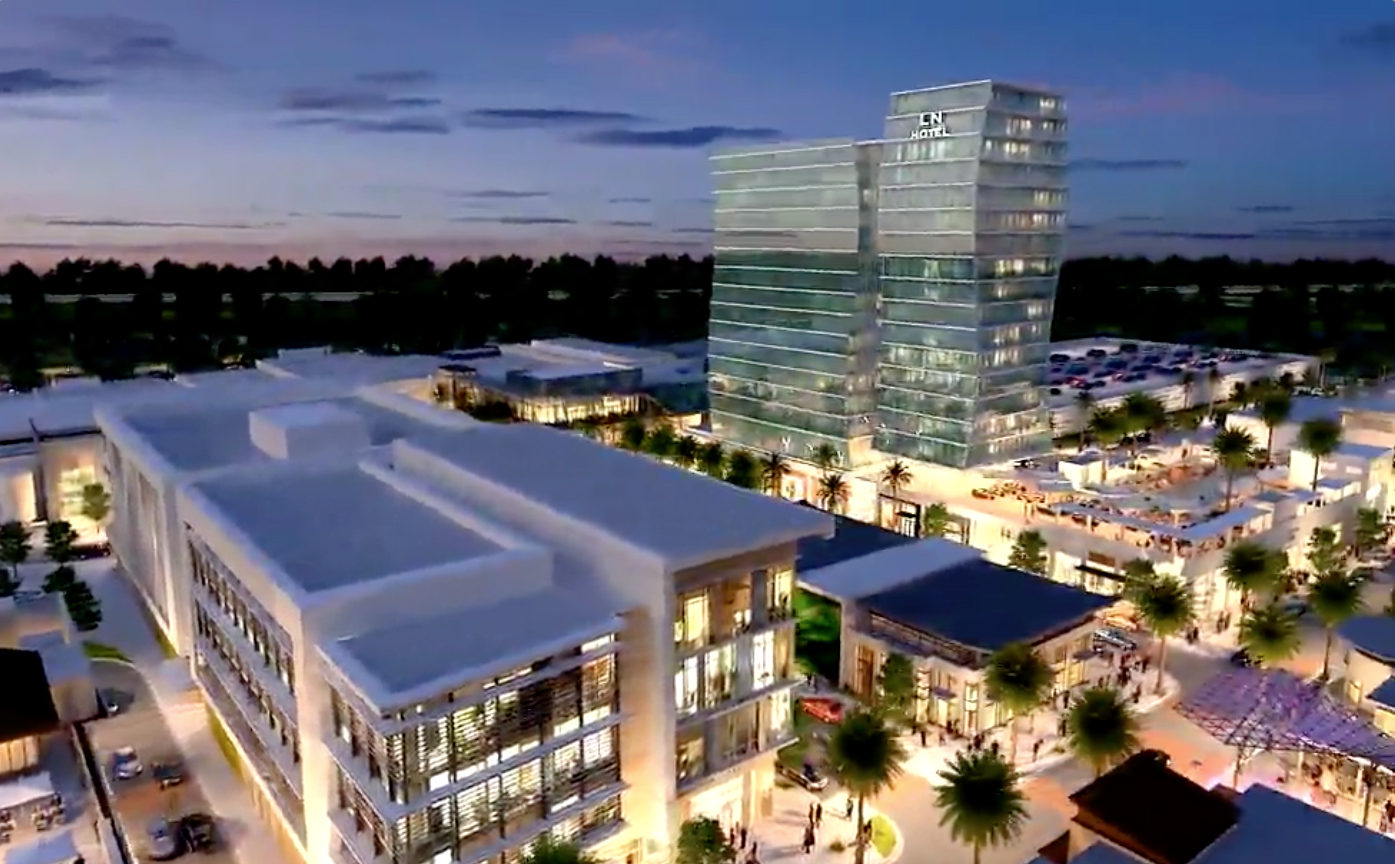
Lake Nona is a prime example of a master-planned community that incorporates lakefront living with cutting-edge technology. Residents benefit from fiber-optic internet, smart home infrastructure, and energy-efficient building practices.
The lakefront setting provides not just scenic views but also active water recreation. The community even features wellness-focused centers, parks, and walking trails. This showcases how waterfront living is evolving into a blend of nature, technology, and urban convenience.
Example 3: Harbor Point in Stamford, Connecticut
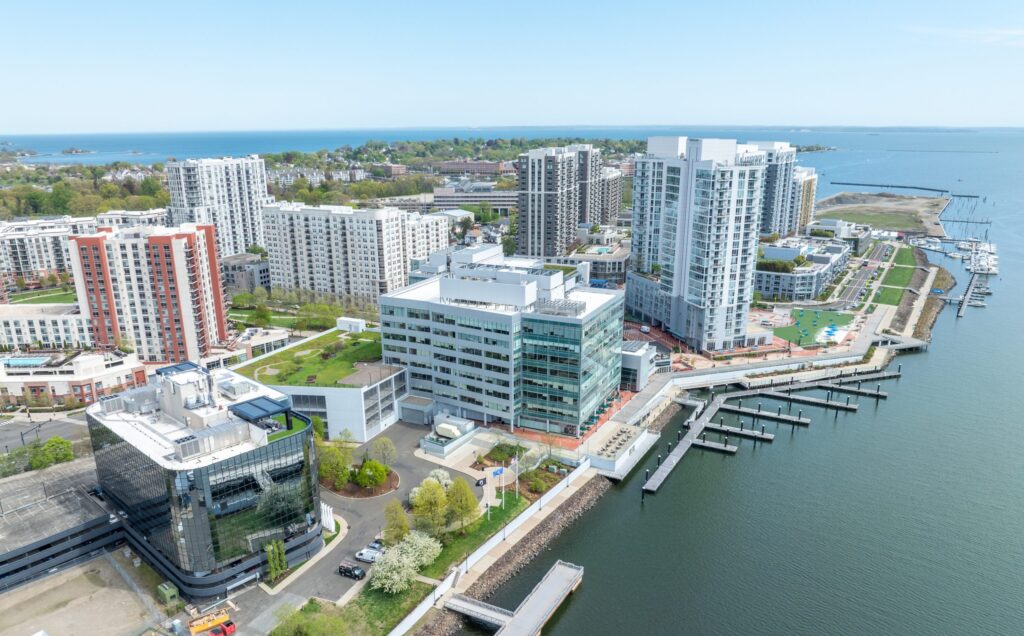
Harbor Point is a waterfront redevelopment project that transformed an industrial shoreline into a vibrant residential and commercial hub. It combines modern condos with boardwalks, marinas, and retail spaces along the Long Island Sound.
This example illustrates how new waterfront communities can revitalize older coastal areas. By integrating residential housing with entertainment, dining, and workspaces, Harbor Point has become a model for mixed-use urban waterfront living.
Example 4: The Woodlands Waterway in Texas
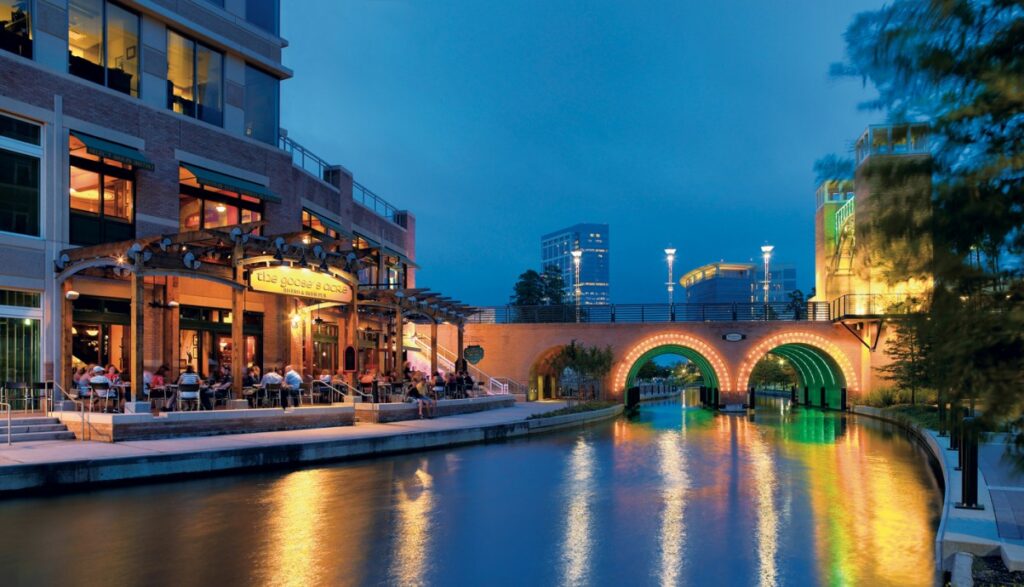
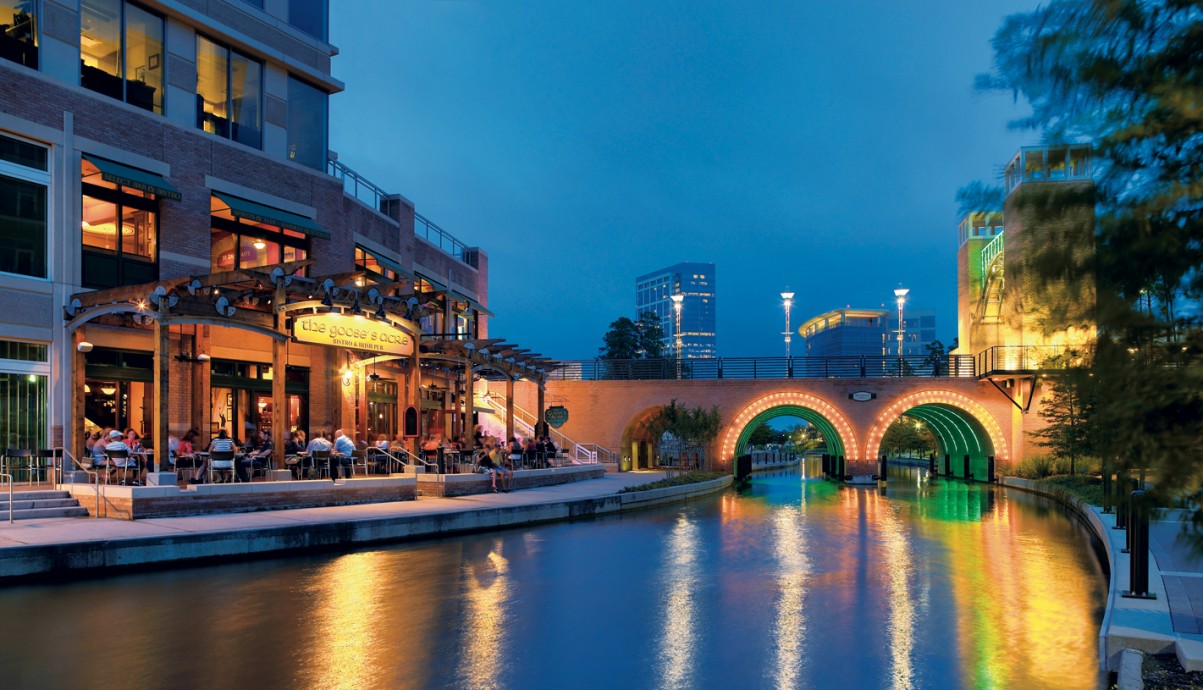
The Woodlands Waterway offers a unique blend of urban planning and waterfront design. Located near Houston, this development centers around a canal system, providing residents with waterfront views while connecting them to commercial, cultural, and recreational facilities.
This project demonstrates how waterfront living can adapt beyond coastal areas. It integrates green urban planning with water access, creating a vibrant community that attracts families, professionals, and retirees alike.
How Technology Shapes New Waterfront Communities
Smart Infrastructure
Technology plays a crucial role in making waterfront communities sustainable and livable. From smart lighting systems along boardwalks to fiber-optic internet in residences, technology enhances both security and convenience.
Smart water management systems are also common. These help regulate stormwater, reduce flood risks, and ensure environmental sustainability. Combined with smart homes equipped with energy-efficient systems, technology ensures resilience against natural and urban challenges.
Environmental Monitoring Systems
Some communities use sensors and monitoring tools to track shoreline changes, water levels, and air quality. This helps developers and residents manage risks while maintaining a safe and eco-friendly environment. Such innovations are vital in areas prone to flooding or climate-related weather events.
By integrating technology with natural landscapes, new waterfront communities set a blueprint for sustainable future living.
Use Cases of New Waterfront Communities
Revitalizing Underused Waterfronts
Many cities have underdeveloped or abandoned waterfronts. By creating new communities, developers breathe life back into these areas, boosting tourism, commerce, and local economies.
Addressing Housing Demands
As urban centers expand, waterfront communities offer alternative housing options that combine accessibility with quality of life. These communities solve the problem of overcrowded cities by creating attractive residential hubs outside traditional downtowns.
Promoting Sustainability
Waterfront communities often lead in adopting eco-conscious solutions, such as green building materials, renewable energy, and water conservation practices. These efforts reduce the ecological footprint while delivering desirable modern lifestyles.
Why New Waterfront Communities Matter in Real Life
New waterfront communities solve real-world challenges of modern living by combining sustainability, luxury, and practicality. They provide homes that withstand environmental stress, support active lifestyles, and deliver long-term value for residents and investors alike.
Beyond individual benefits, they strengthen entire regions by boosting local economies, preserving ecosystems, and creating vibrant social hubs. This makes them more than just residential spaces; they become symbols of progress in housing and urban planning.
Frequently Asked Questions (FAQ)
1. What is the main difference between new waterfront communities and standalone waterfront homes?
Waterfront communities are master-planned neighborhoods with shared amenities, infrastructure, and collective sustainability efforts, while standalone homes focus on individual properties without integrated community features.
2. Are new waterfront communities environmentally sustainable?
Yes. Most modern communities incorporate eco-friendly designs such as stormwater systems, shoreline stabilization, and energy-efficient housing to reduce environmental impact.
3. Why are new waterfront communities considered good investments?
They combine limited-access locations with modern construction, smart infrastructure, and shared amenities, making them appealing for both long-term living and property appreciation.