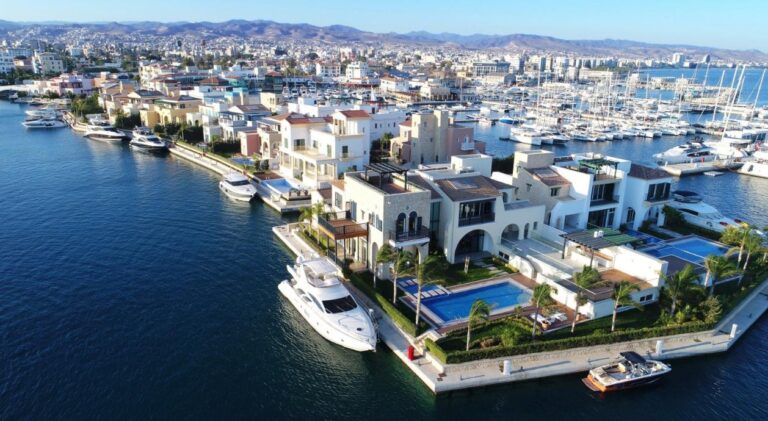
Waterfront New Construction Insights, Benefits, and Real-World Examples
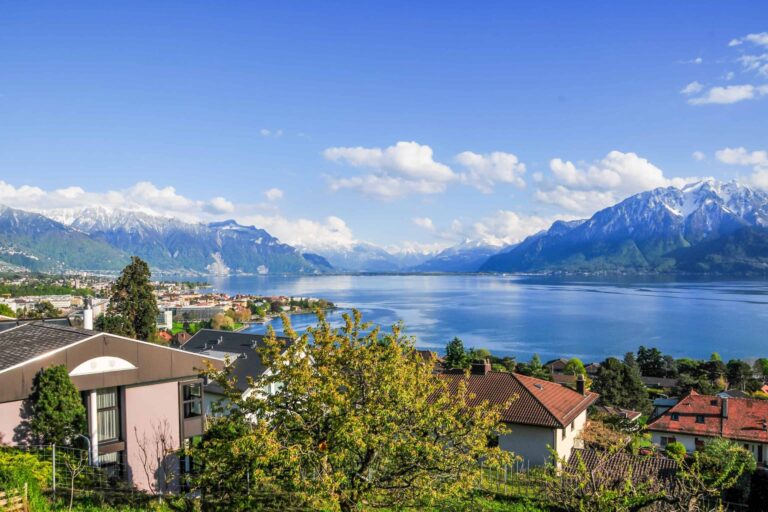
Waterfront new construction refers to the process of designing and building homes, estates, or modern properties directly adjacent to lakes, rivers, or oceans. Unlike typical housing developments, this type of construction has unique demands because it merges natural elements with structural durability and aesthetic appeal. Developers, architects, and property owners must carefully balance modern comfort with environmental challenges like water erosion, humidity, and coastal weather conditions.
What makes waterfront new construction particularly fascinating is its lifestyle promise. These homes are not just physical structures; they represent a luxurious way of life, where every window potentially frames a stunning sunrise or sunset, and every deck extends into breathtaking scenery. Because of this, many new buyers and investors see waterfront new construction as a long-term value play, both for enjoyment and property appreciation.
Key Considerations in Waterfront Design
Environmental Factors
When building near a waterfront, environmental factors play a central role. Homes must be elevated or engineered to handle flooding risks, strong winds, and humidity. The choice of materials, such as weather-resistant wood, reinforced steel, or treated glass, can make or break the longevity of the construction. Architects also integrate natural landscaping and shoreline stabilization measures to protect against erosion.
In some cases, waterfront properties require permits and compliance with local coastal regulations. These rules ensure that natural ecosystems like mangroves, dunes, or freshwater banks remain undisturbed while homeowners enjoy their dream residence.
Architectural Aesthetics
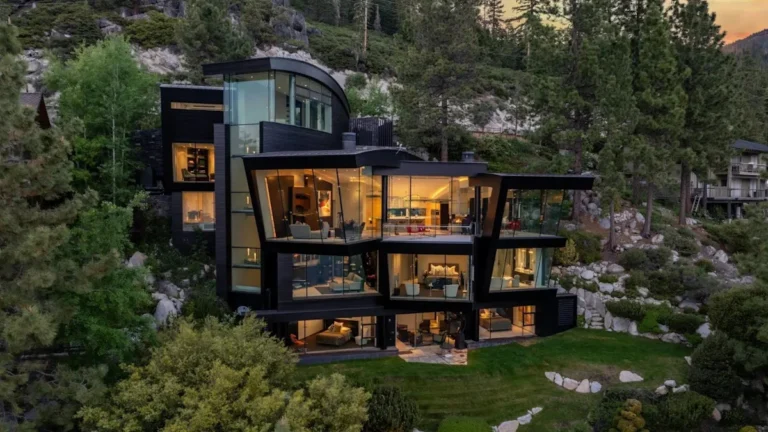
Waterfront new construction often highlights open-concept designs with expansive windows, wide decks, and natural lighting. The aim is to bring the outdoors inside, allowing residents to enjoy panoramic views. Modern designs typically feature sustainable elements such as solar roofing, natural stone finishes, and energy-efficient climate systems. These homes are crafted to stand as an architectural blend of resilience and elegance.
Benefits of Waterfront New Construction
Lifestyle and Well-being
Waterfront living provides more than just a house; it’s an environment that nurtures peace of mind. Being near water has been linked to reduced stress levels, improved mood, and overall mental clarity. The sound of waves, the breeze off the water, and the ever-changing scenery contribute to an atmosphere of calm unmatched by urban housing.
Additionally, properties built on waterfronts naturally offer lifestyle amenities like kayaking, fishing, sailing, or simply enjoying a private beachside view. This convenience makes the investment worthwhile for homeowners seeking both leisure and quality of life.
Long-Term Property Value
From an investment perspective, waterfront new construction typically holds higher property value. Buyers prioritize these locations because they are limited in supply. Unlike suburban tracts, waterfront space is finite, creating exclusivity and consistent demand. Over time, this scarcity, combined with premium construction, often ensures appreciation in property value.
Real-World Examples of Waterfront New Construction
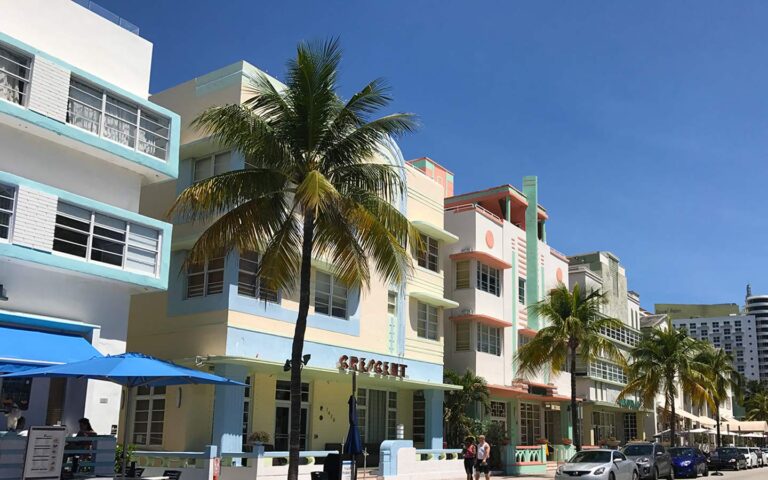
Example 1: Modern Coastal Home in Miami, Florida

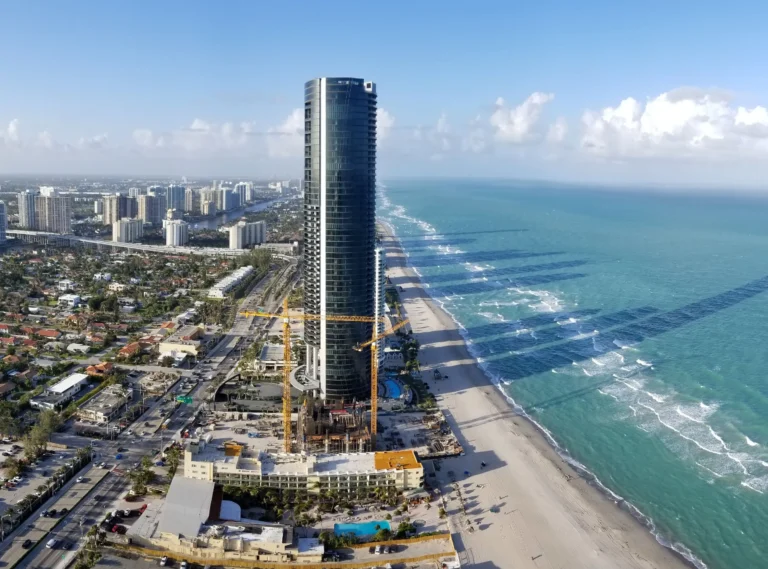
In Miami, waterfront new construction projects often embody sleek, modern designs with full-glass facades and infinity pools that overlook the Atlantic. A recent example is a home built with hurricane-resistant materials, designed to withstand Category 5 winds. The property integrates smart home features such as climate control, automated shutters, and water-resistant landscaping.
This type of construction demonstrates how technology merges with environmental awareness. It shows the practical use of sustainable design in regions prone to storms, while still achieving a luxurious lifestyle.
Example 2: Lakefront Estate in Austin, Texas
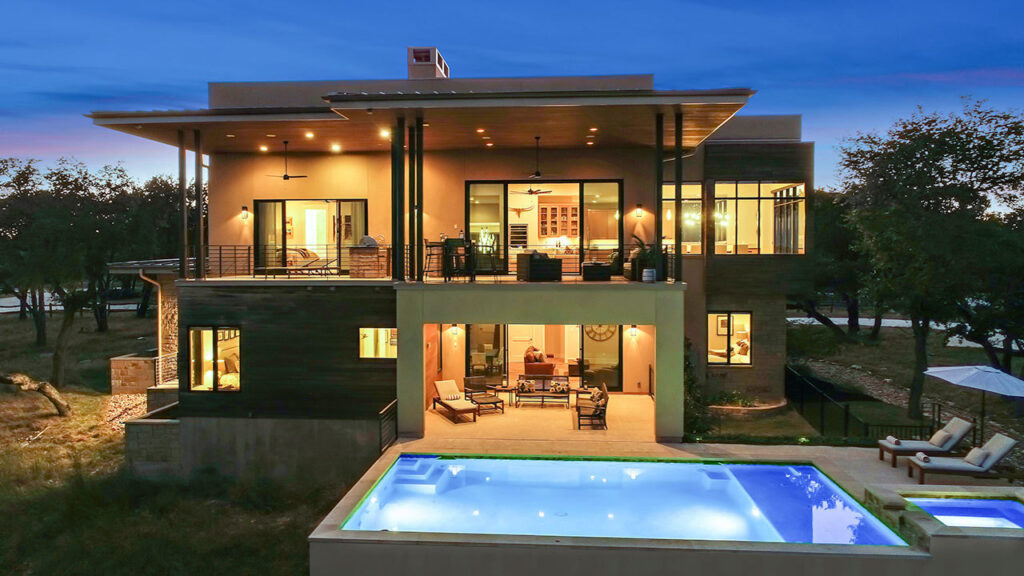
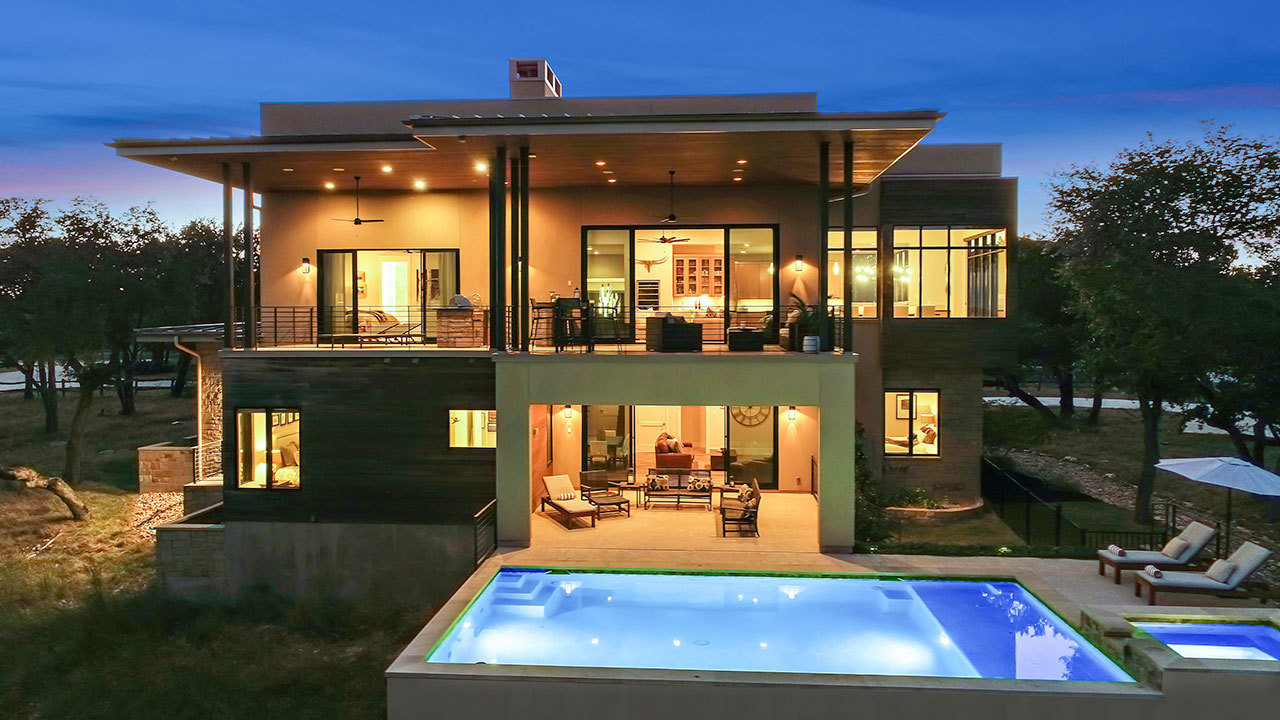
Texas has seen a rise in lakefront estates where developers construct sprawling ranch-style properties along Lake Travis. These new constructions emphasize outdoor living, with expansive patios, private docks, and boathouses. The use of locally sourced stone and wood reflects both regional character and environmental sensitivity.
This project highlights how waterfront construction adapts to cultural preferences, blending rustic Texas aesthetics with the modern demand for outdoor recreation and privacy.
Example 3: Oceanfront Villas in Malibu, California
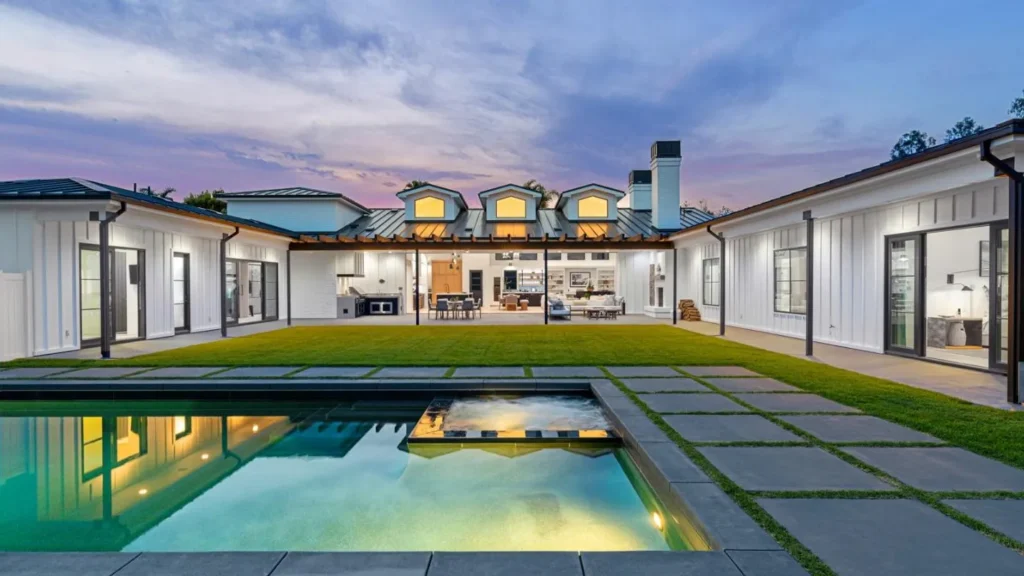
Malibu is globally recognized for its oceanfront properties, where new constructions set global architectural trends. A recently completed villa featured a minimalist open-plan design, cantilevered balconies, and underground water filtration systems to maintain eco-balance.
This example underlines how high-end waterfront construction can serve as both a luxury statement and an environmental experiment, showing future directions for coastal housing worldwide.
Example 4: Riverfront Homes in Portland, Oregon
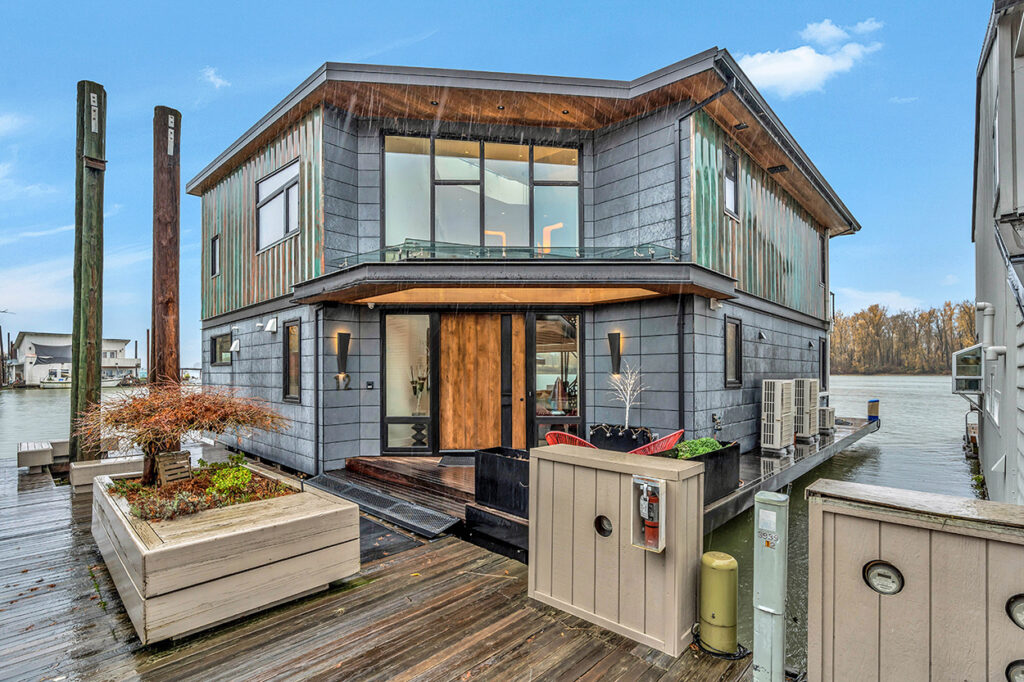
In Oregon, riverfront homes are designed to complement the Pacific Northwest landscape. A new project in Portland combined wood-heavy exteriors with eco-friendly features such as rainwater harvesting and geothermal heating. Large terraces extend over the riverbank, creating immersive natural experiences.
This design demonstrates how waterfront construction can respect the environment while offering homeowners a strong sense of connection to nature.
Use Cases of Waterfront New Construction
Solving Urban Overcrowding
As cities become more congested, waterfront areas present opportunities for new housing. Developers use these spaces to reduce urban sprawl while offering residents a balance between nature and accessibility.
Addressing Climate Challenges
Waterfront new construction often integrates climate-resilient design. From raised foundations to eco-friendly drainage systems, these homes solve problems of flooding, storms, and erosion. They serve as real-world solutions for communities living in climate-sensitive zones.
Enhancing Community Development
Beyond individual homes, waterfront new construction fosters entire community hubs. By developing boardwalks, shared marinas, and green spaces, these projects create thriving neighborhoods that enhance social and economic activity.
Why Waterfront New Construction is Useful in Real Life
Practical applications extend beyond luxury living. Waterfront new construction offers opportunities for tourism, sustainable housing, and future-proof urban planning. For instance, eco-conscious waterfront designs ensure resilience against natural disasters, which is increasingly important in the face of global climate change. Additionally, these properties improve quality of life by combining modern convenience with natural beauty.
Frequently Asked Questions (FAQ)
1. What makes waterfront new construction different from regular homebuilding?
Waterfront construction requires special attention to environmental factors like flooding, erosion, and storms. It also emphasizes architectural aesthetics that maximize water views, while integrating durable and sustainable materials.
2. Are waterfront new constructions a good investment?
Yes. Because waterfront locations are limited, these properties usually appreciate over time. Combined with luxury designs and resilience-focused engineering, they often hold strong long-term value.
3. How do waterfront homes handle climate challenges?
Modern waterfront construction uses elevated foundations, water-resistant materials, and smart drainage systems. These features protect homes from flooding, humidity, and extreme weather while maintaining energy efficiency.